The Story of Célestine

They called me Nfunzi “hopeless orphan”; my father named me Celestine “Divine”. Born in my maternal grandmother’s garden in Masindi, western Uganda. The tragic passing of my father before I turned four exposed a young boy who, to that date, had enjoyed the salubrious environs typical of a top government official’s son not only to financial and familial insecurity, but to a new world where I was to sell fruits in the streets barefoot and get abused for labor.
By about age seven, I was working on construction sites in Uganda, hauling sand, rock, and cement for 12 hours a day. As compensation, I was promised fifty-five cents a day and a plate of food. Most days, I got neither. When I once asked to leave early to find food after not being fed all day, the foreman fired me on the spot and refused to pay me for a month of backbreaking work. I was but a child.

Born with an eye for style, a photographic memory, and “hyperosmia” a heightened ability to distinguish smells, my earliest scent memory is petrichor: a euphoric earthy scent emitted when rain first kissed the red dust of my childhood soccer field. My olfactory palette was broadened in the wild, where I would spend countless hours as both an escape and grazing my mother’s livestock. Here, I studied floral metamorphosis and observed botany’s symbiotic relationship with bees and butterflies. By myself, with neither teacher nor role model, I felt liberated from all life’s worries, and for the first time, I was free to dream. Anyone that spends time in nature quickly realizes that its creator neither hurried nor imitated, yet everything turned out perfectly.
This is the ethos of Célestine perfumes, intentional, unhurried, and unforgettable.
From the majestic African skies where stars dance without a veil, to the magical scent of petrichor, the earthy aroma of fresh lemongrass tea I sipped while stargazing with my father before his untimely death, the divine perfume of sun-dried vanilla beans and freshly roasted coffee from my backyard, all through the engulfing fragrance of the wildflowers I encountered throughout my childhood escapes. Each Célestine scent is a poetic tune written by master perfumer Vito Lenoci as envisioned by a pure, child-like mind.


To my late biological father, Emmanuel: thank you for resisting the temptation to embezzle government funds even though it was fashionable. I guess integrity is my inheritance. Of the little I’ve been told about my paternal grandfather Aricardi: your nickname “kulimba kibi,” lying is a sin. The remainder of my life will be lived based on your philosophy. To my dear mother, Annette: thank you for not withholding your disciplinary hand and for sharing your beautiful smile. To the Goins: thanks for giving me a chance to dream. To the children of the world: dream lofty dreams.

PERFUMER STATEMENT
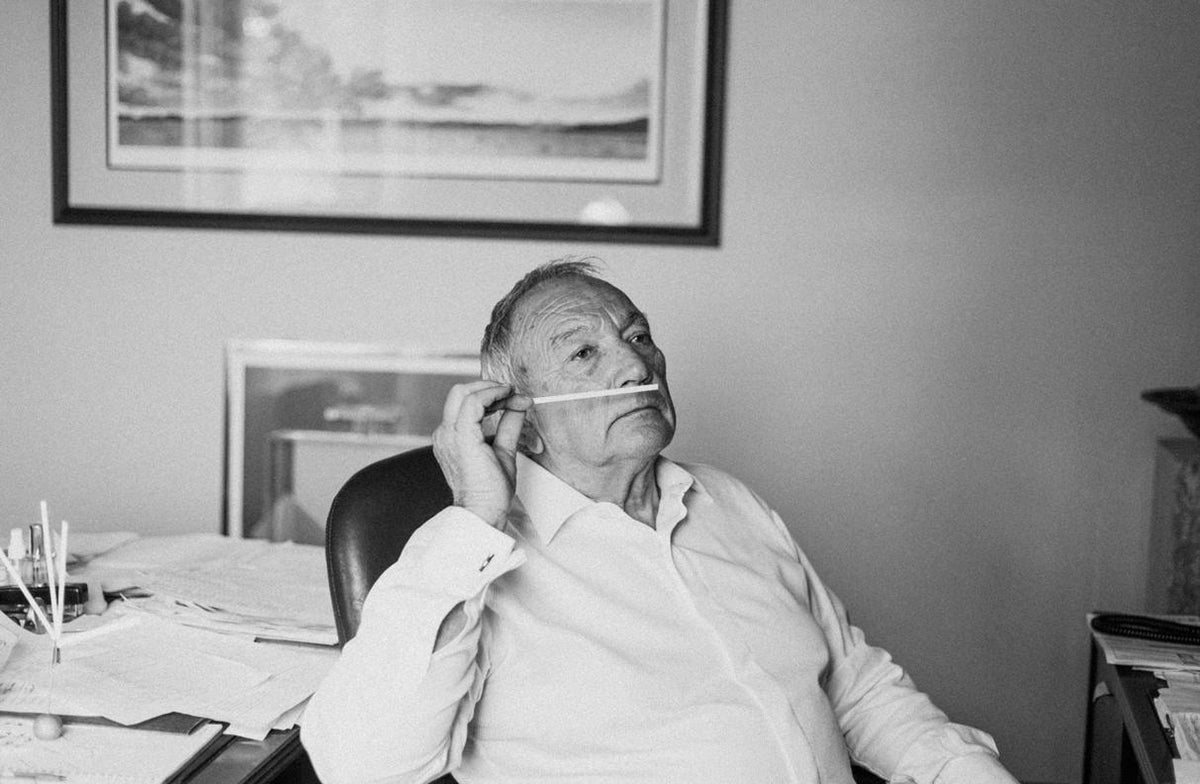
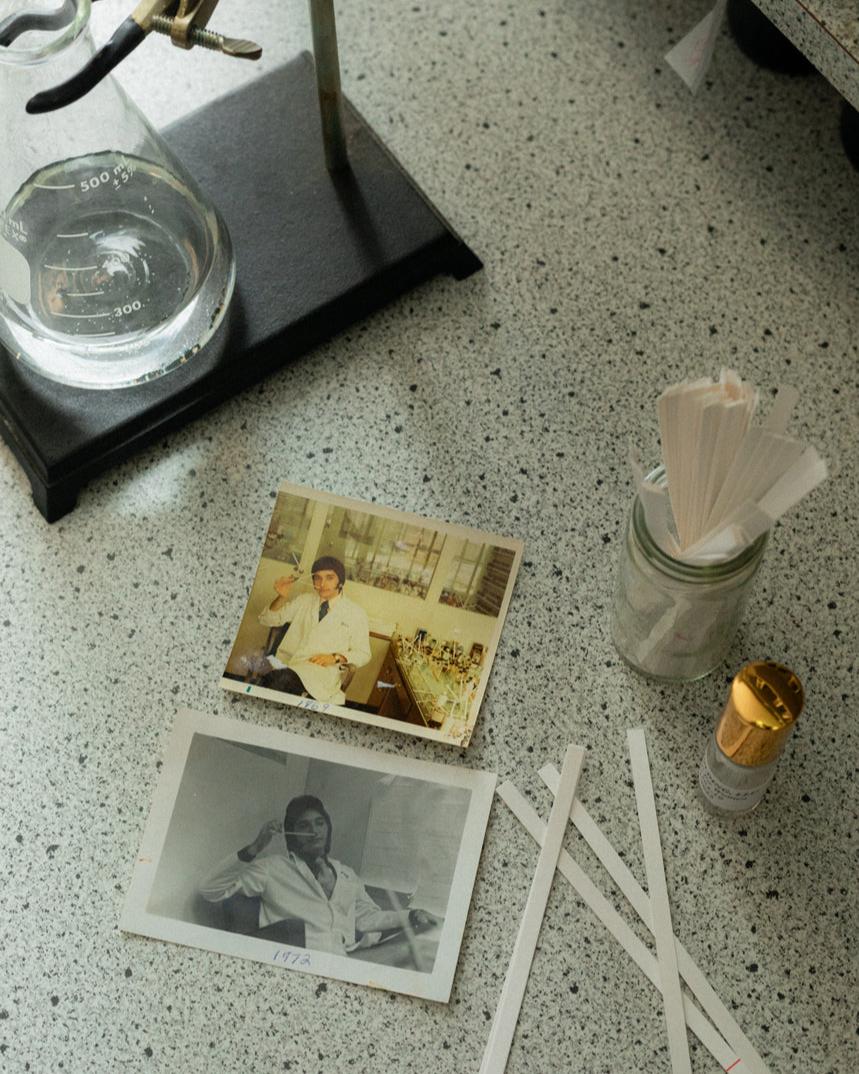
After a long career as a master perfumer, I was semi-retired when Célestine approached me. At first, I declined. But over months of conversation, I sensed in him a divine purity worthy of his name.
Perfume, like art, reflects the soul of both visionary and perfumer. If their hearts are pure, so too are their creations. With Célestine, I found a partner who valued patience over profit, integrity over haste.
Each fragrance in the Célestine collection is rare, crafted with intention, and made to linger. I poured years into these scents so they might become more than perfumes, they are rituals of beauty and memory. Every drop is precious. Savor it.
Vito Lenoci, Célestine Master Perfumer.